
No products in the cart.
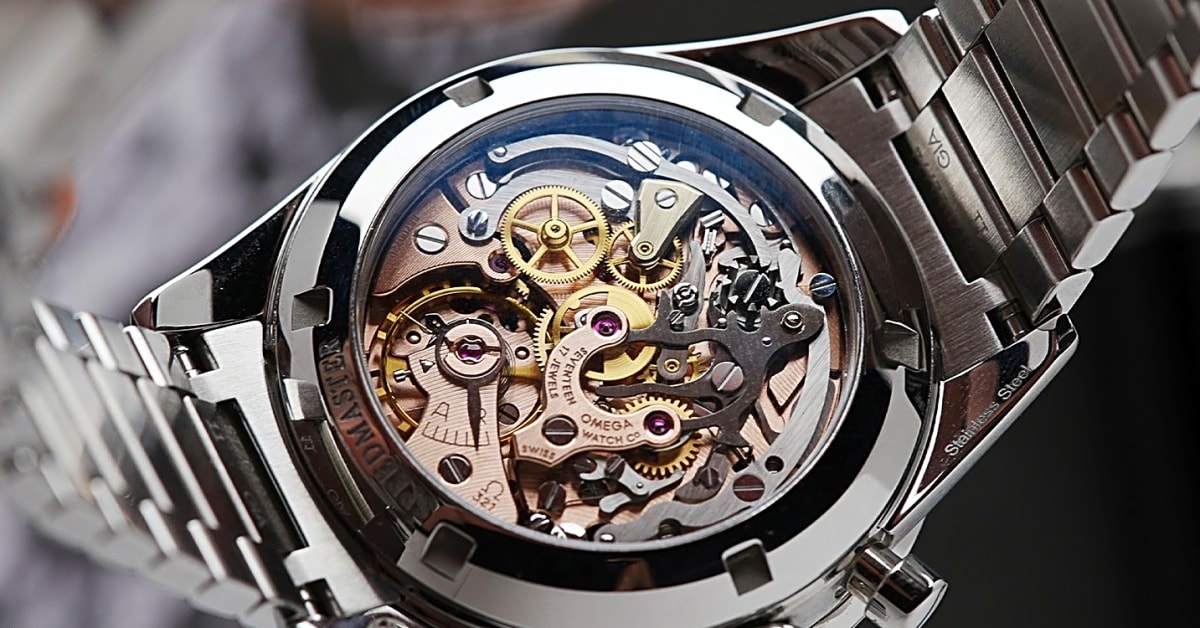
What watch brand is the best?
That’s how the brand, which has gone through many starts and stops over the course of its 250-year history, kicked off this latest era with a feeling it was already at the center of the watch universe. According to the Federation of the Swiss watch industry (FH), Switzerland produces around 15 to 20 million watches a year, which is a minuscule amount that represents around 2% of global timepiece manufacturing. While TAG Heuer has always been a solid presence in luxury watches (particularly on the entry-level side of things), the brand has been doubling down on strong marketing campaigns, new product launches, and strategic partnerships (like Formula and the efforts seem to be paying off. Interest in Longines watches has grown in the US market over the last few years thanks to the popularity of models such as the HydroConquest, DolceVita, Legend Diver, Master Collection, and plenty of vintage-inspired military and aviation watches.
Yet, the oldest continuously operating watchmaker in existence is absolutely one of the world’s top ten luxury watch brands. That strap helps transform one of the original sport watches the Reverso was initially developed with its flippable hard-shelled caseback so Polo players could wear them during matches into a piece of jewelry. Casio has sold millions of watches worldwide but the F-91W is now the best-selling non-smartwatch of any brand in the world, with over 120 million units sold. Jaeger-LeCoultre is often referred to as the watchmaker’s watchmaker, which should tell you about all you need to know about why this brand is appearing on this list.
Determining the top watch brands on the secondary market isn’t as clear-cut as analyzing sales numbers and market share data for the retail market. During the ‘70s, Zenith helped define the modern sport watch category, and it’s something that the brand continues to do today with the revived Defy collection.
References:
Related posts
These choices create significant cost savings without compromising the essential luxury diving watch experience. The...
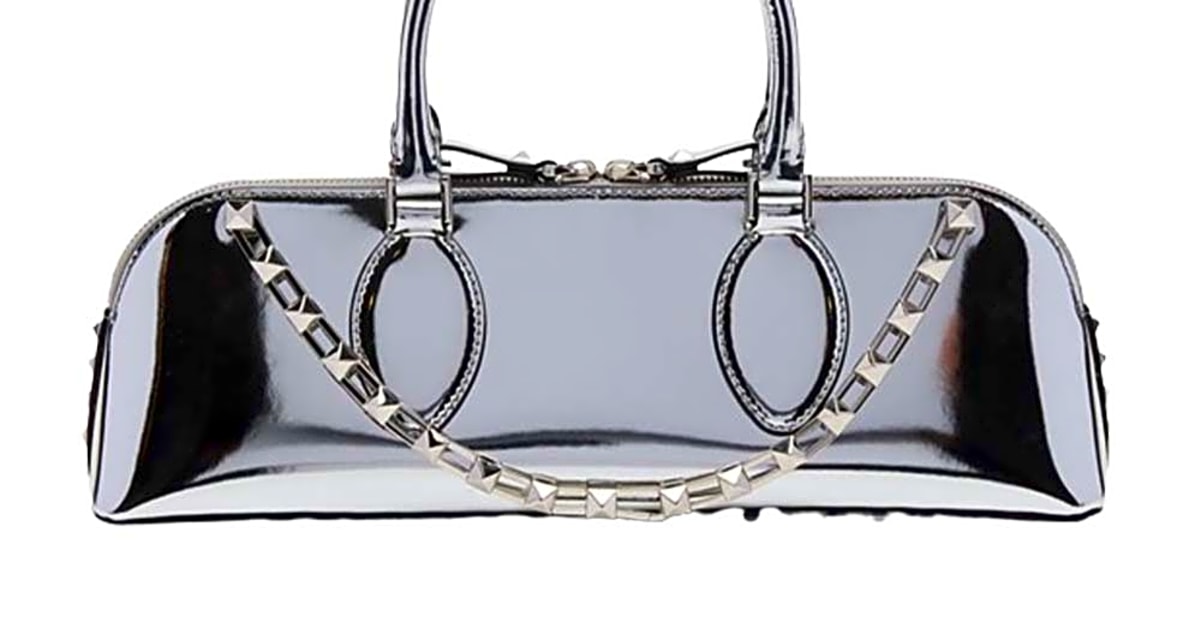
For the fashion-forward, a silver designer evening bag transcends mere accessory status- Whether gracing galas...
Love Luxury’s mission would be to draw a line in the sand, take a stand...
It’s Swiss, it’s slick, it’s versatile and there are bargains to be had. Dan Henry...